
How is everyone affording Europe?
Someone is in Italy again. You would quite like to know what they do for a living.
Read article5 min read
Businesses, money, incentives and the systems underneath everyday life.
Someone is in Italy again. You would quite like to know what they do for a living.

Digital games are convenient. They are also considerably harder to sell when you have finished with them.

Buying the property settles with the seller. It does not finish your relationship with the tax office.
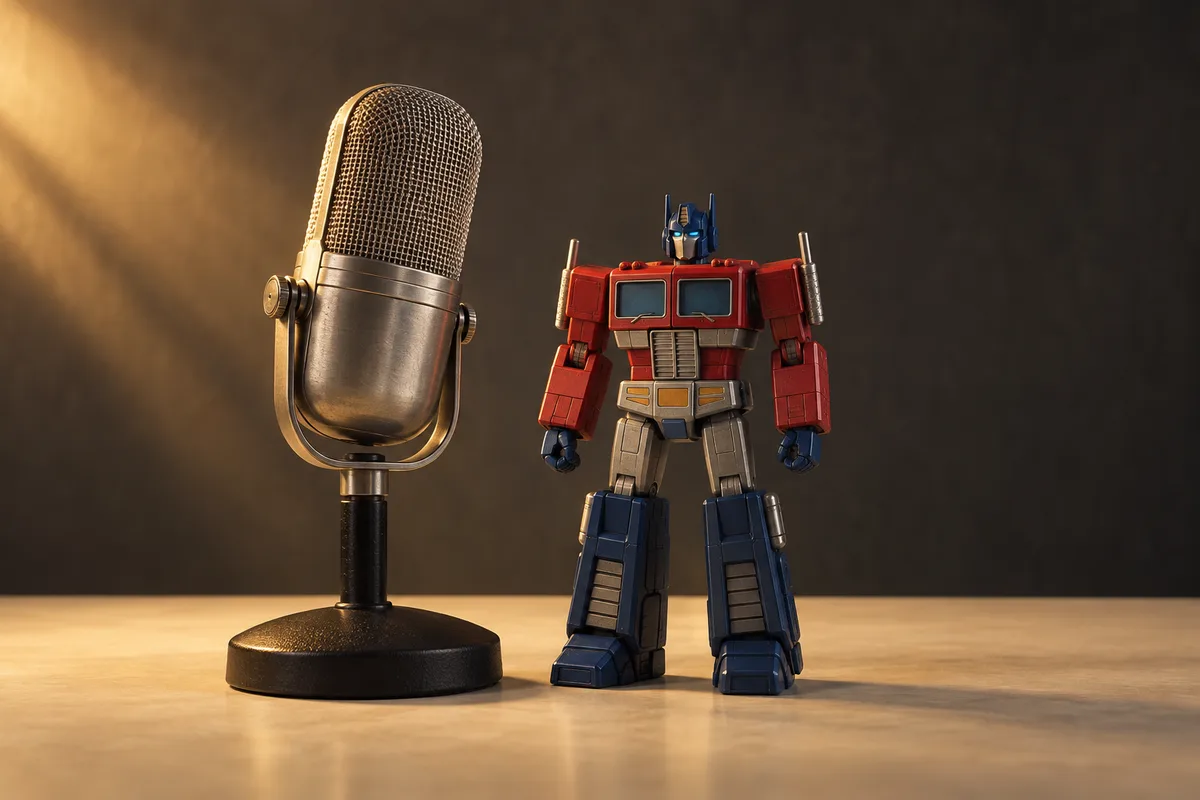
An actor can become so closely associated with a character that their involvement becomes part of what people are buying.

Some stores look like the renovation is still being discussed. Yet the chicken keeps selling. What are we missing?

The little free-shipping threshold in your cart is there to move the size of the order, not make delivery disappear.
A cash refund ends the transaction. Store credit keeps the money, and usually the customer, inside the business.

Why Sephora lets customers touch, test and compare products before they buy, and how that turns a beauty store into a discovery engine.

Why gift cards get cash into a retailer before the product goes out, bring customers back, can increase basket size and sometimes are never fully redeemed.

Why gyms can sell access to thousands of people without needing room for all of them at once, and how that shapes the economics of low-cost memberships.
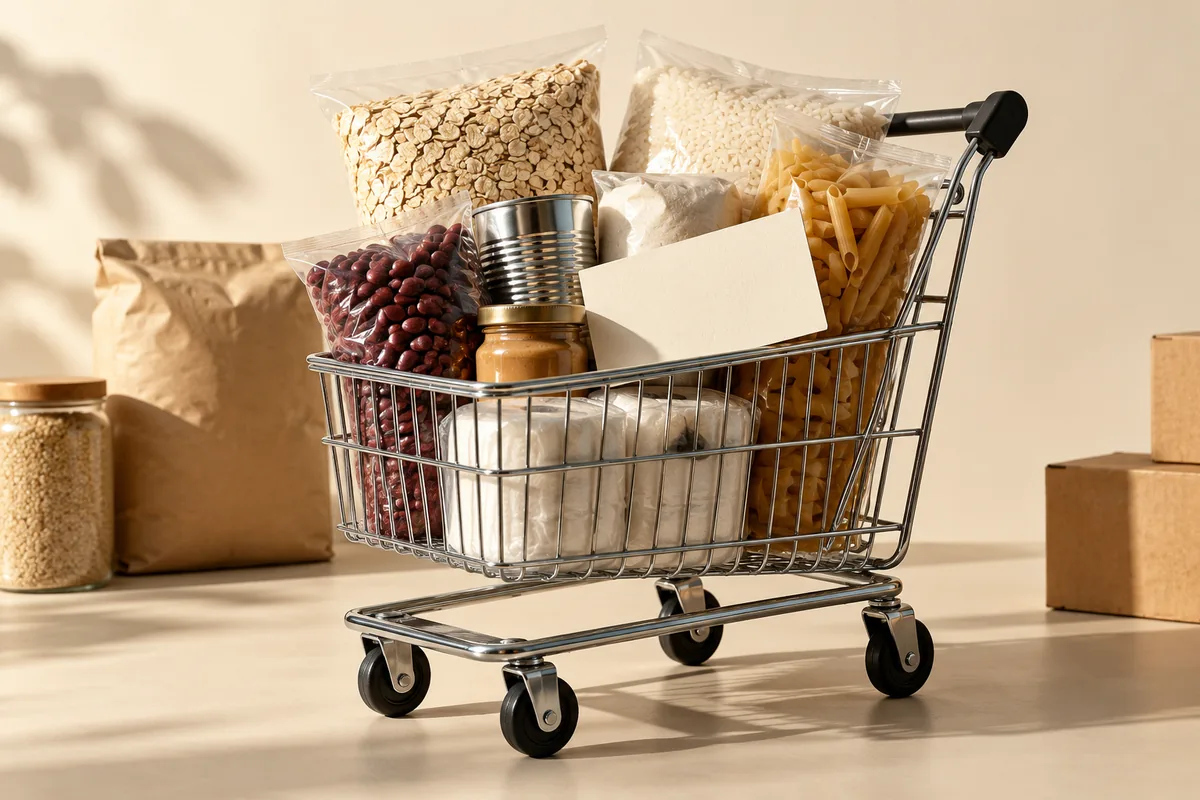
Why Costco keeps merchandise margins thin, how membership fees change the economics of the warehouse, and why the renewal matters more than maximising every basket.

Why airline loyalty programs sell points to banks and partners, why points are commercially different from cash, and how the system keeps customers inside the airline ecosystem.

Why Australian states tax property transactions, what stamp duty does to the decision to move, and why replacing it with land tax is harder than it sounds.
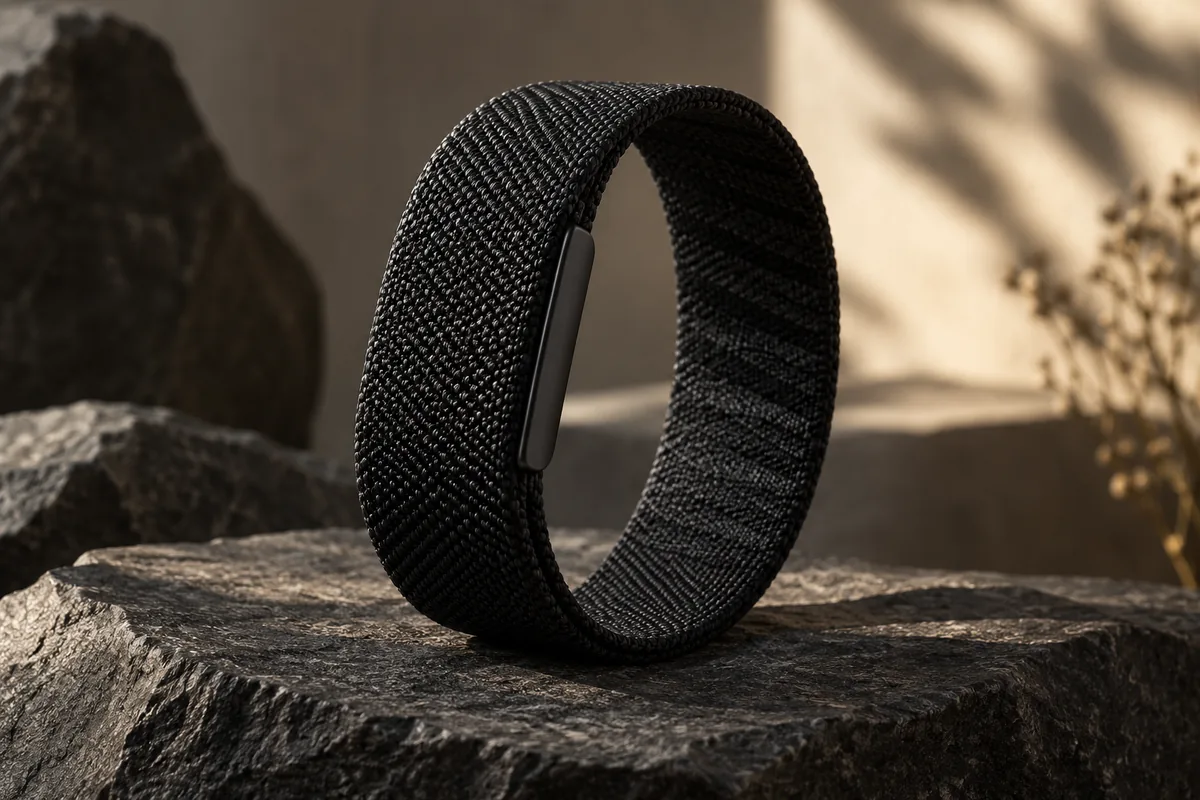
In 2018 WHOOP moved the hardware inside a membership. The change affected the upfront price, retention and how much one customer could be worth over time.