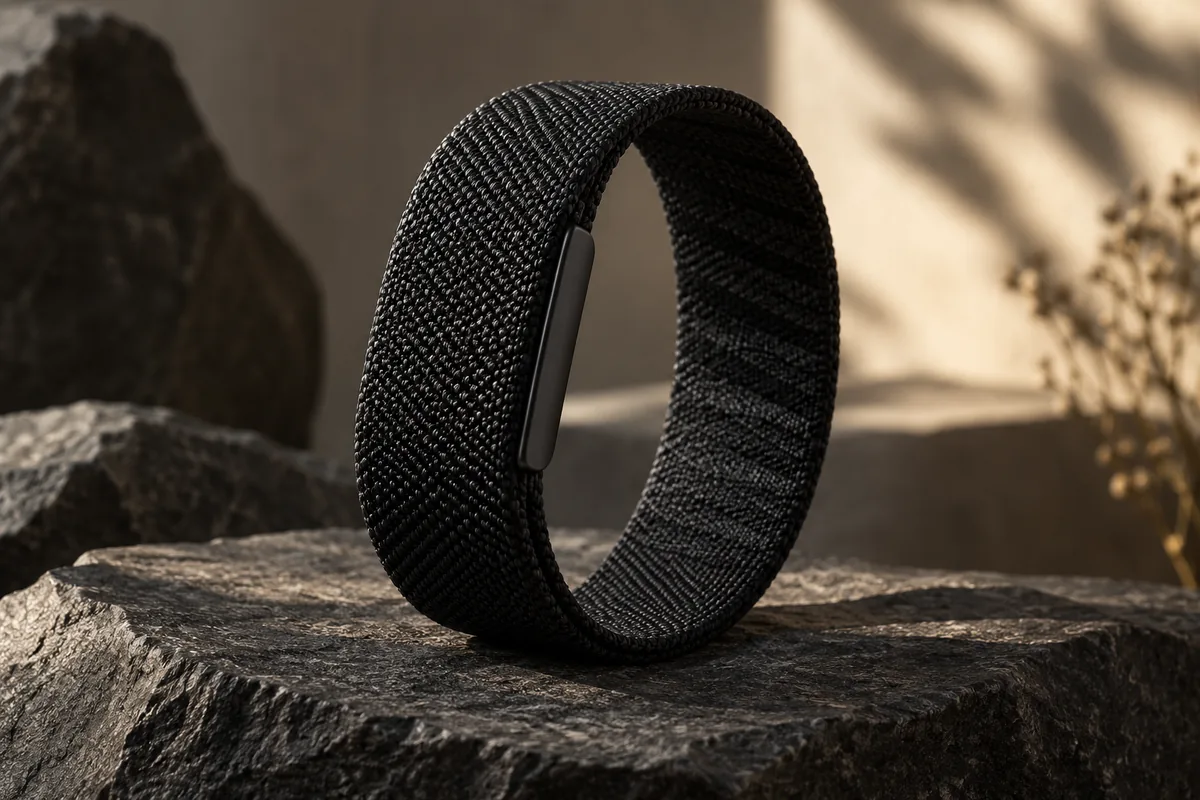
WHOOP looks like a wearable business. A customer wears a band, the band collects data and the app turns that data into information about sleep, strain and recovery. The physical product is the obvious part. Commercially, however, WHOOP's more important decision was changing how that product was sold.
In May 2018, WHOOP launched a consumer membership that included the hardware, analytics and access to its community. Instead of asking a customer to buy the device as a traditional one-off purchase, WHOOP charged US$30 a month with a six-month minimum commitment. The initial outlay was US$180, which WHOOP described at the time as the lowest entry price it had offered for the service.
That change is more interesting than the band itself because it affected several parts of the business at once. The upfront cost of joining fell, payment became recurring and WHOOP no longer needed another hardware purchase to be the next time it earned revenue from the same customer.
The problem with selling it once
Hardware can be an awkward business when the value delivered to the customer continues well beyond the original sale. The company gets paid when the device is purchased, but the customer may keep using the product for years. If the business wants to earn more from that person, it generally needs another transaction.
WHOOP had an added problem because the usefulness of its product was never limited to the physical strap. The band collects information, but much of the reason to use WHOOP comes from what happens after that collection: the app interprets the data, compares it over time and gives the user guidance based on it.
This creates a mismatch if the entire relationship is priced as a one-off hardware sale. The company continues providing software, analytics and support, while the original transaction has already ended.
If the value continues after the sale, there is a reasonable argument that the way the customer pays should continue as well.
What changed in 2018
Moving the hardware into a membership changed the first decision a new customer had to make. A large upfront hardware purchase requires someone to decide that the product is worth the full price before they have spent much time with it. WHOOP's 2018 offer reduced that initial commitment to US$180 and spread the relationship across monthly payments.
That does not necessarily make the product cheaper over a long period. In fact, a customer who stays for years can pay considerably more than they would have under a single hardware purchase. From WHOOP's perspective, however, that is exactly what changes the economics. Revenue is no longer restricted to the moment a new device is sold.
The important condition is that the customer must have a reason to keep paying. Subscriptions are often spoken about as if recurring revenue is automatically better revenue, but a recurring charge attached to a product with no recurring value simply gives the customer a recurring reason to cancel.
WHOOP has a stronger argument than that because the service itself is continuous. The device is collecting information every day and the software is continually turning that information into something the customer can use. The payment model therefore follows the way the product creates value more closely than a one-off sale would.
The membership works because WHOOP has something to provide after the first day.
The longer someone uses WHOOP, the more history sits inside it
Recurring revenue only becomes valuable if customers stay, which makes retention the more difficult part of the model.
WHOOP has an advantage here that a normal piece of hardware does not. A new band can be replaced fairly easily. A personal history is harder to replace. Over time, a user builds up sleep data, recovery patterns, training history and a baseline against which new results can be compared.
The commercial effect is a form of switching cost, although not the type created by a cancellation fee or a deliberately difficult exit process. The cost comes from the information already accumulated. Moving to another platform may mean starting again without the same history sitting behind the recommendations.
This is different from ordinary brand loyalty. Someone can prefer one shoe company and still buy from another without losing anything they previously created. A data-based product can become more personalised simply because it has been used for longer.
That does not guarantee retention. If the insights stop being useful, the history is unlikely to save the membership. It does, however, mean WHOOP can become more difficult to replace as the customer's own information becomes part of the product.
WHOOP is now trying to solve a larger problem
The current membership structure shows how the model can expand once the relationship already exists. In Australia, WHOOP currently offers One at A$299 a year, Peak at A$399 and Life at A$599. Each tier includes hardware, but the higher tiers progressively add broader health and longevity features.
One is centred on fitness and recovery. Peak adds features such as Healthspan, Pace of Aging, health alerts and stress monitoring. Life adds WHOOP MG and features including ECG readings and blood pressure insights. A customer can also upgrade between the tiers during a membership.
This matters because WHOOP does not need every increase in customer value to come from finding another person. It can also broaden what an existing member pays WHOOP to help with. A relationship that may have started around training and recovery can extend into stress, ageing and cardiovascular health.
The company's own direction supports that reading. In March 2026, WHOOP announced a US$575 million Series G funding round at a US$10.1 billion valuation and described its long-term ambition around a personalised health platform. That does not prove the strategy will work, but it shows the problem WHOOP wants to solve is becoming much larger than workout tracking.
Once a business already has the customer, the next growth opportunity may be another problem that same customer is willing to pay it to solve.
There is still a hardware business underneath it
It would be easy to look at WHOOP and conclude that the lesson is simply to turn a product into a subscription. That would ignore most of the risk.
WHOOP still has to provide the physical device. Its current memberships include either WHOOP 5.0 or WHOOP MG hardware, and WHOOP also advertises a lifetime warranty and ongoing support. The membership may change when and how the company gets paid, but it does not make the cost of hardware disappear.
WHOOP is also a private company, which limits what can be concluded about the actual unit economics. Public information does not tell us enough about its hardware costs, customer acquisition costs, churn or the margin produced by an average member over their lifetime. Those numbers ultimately determine whether the commercial model is as attractive as the structure suggests.
There is also a basic product risk. The more a business relies on recurring payments, the more often it effectively asks the customer whether the service is still worth paying for. A customer who buys a watch once does not have to justify that purchase again every year. A WHOOP member does.
That makes ongoing value more important, not less. If the software, insights or new features do not justify the renewal, recurring revenue can turn into recurring churn.
What is actually worth taking from WHOOP?
The useful lesson is not that subscriptions are good. It is that pricing should make sense in relation to how a product creates value.
If most of the value is delivered once, forcing a recurring payment onto the customer is difficult to justify. If the value continues, improves with use or requires an ongoing service behind it, then a recurring model starts to make more sense.
WHOOP also shows why the first transaction should not be considered in isolation. Moving the device into the membership lowered the initial barrier, gave WHOOP the opportunity to earn from the same customer over a longer period and created room for higher tiers as the service expanded.
The other part is retention. WHOOP is more interesting because continued use can add something to the product itself. The longer the customer stays, the more personal history sits inside the system. That gives the membership a better reason to survive than simply locking a feature behind another monthly payment.
None of this removes the need for a good underlying product. If anything, the model makes that need more obvious because the customer is repeatedly asked to renew.
WHOOP did not make the hardware irrelevant. It changed the role the hardware plays in the business.
Sources
Original WHOOP material used for the factual claims in this piece. Links checked 17 August 2026.